
DepthLink / cables
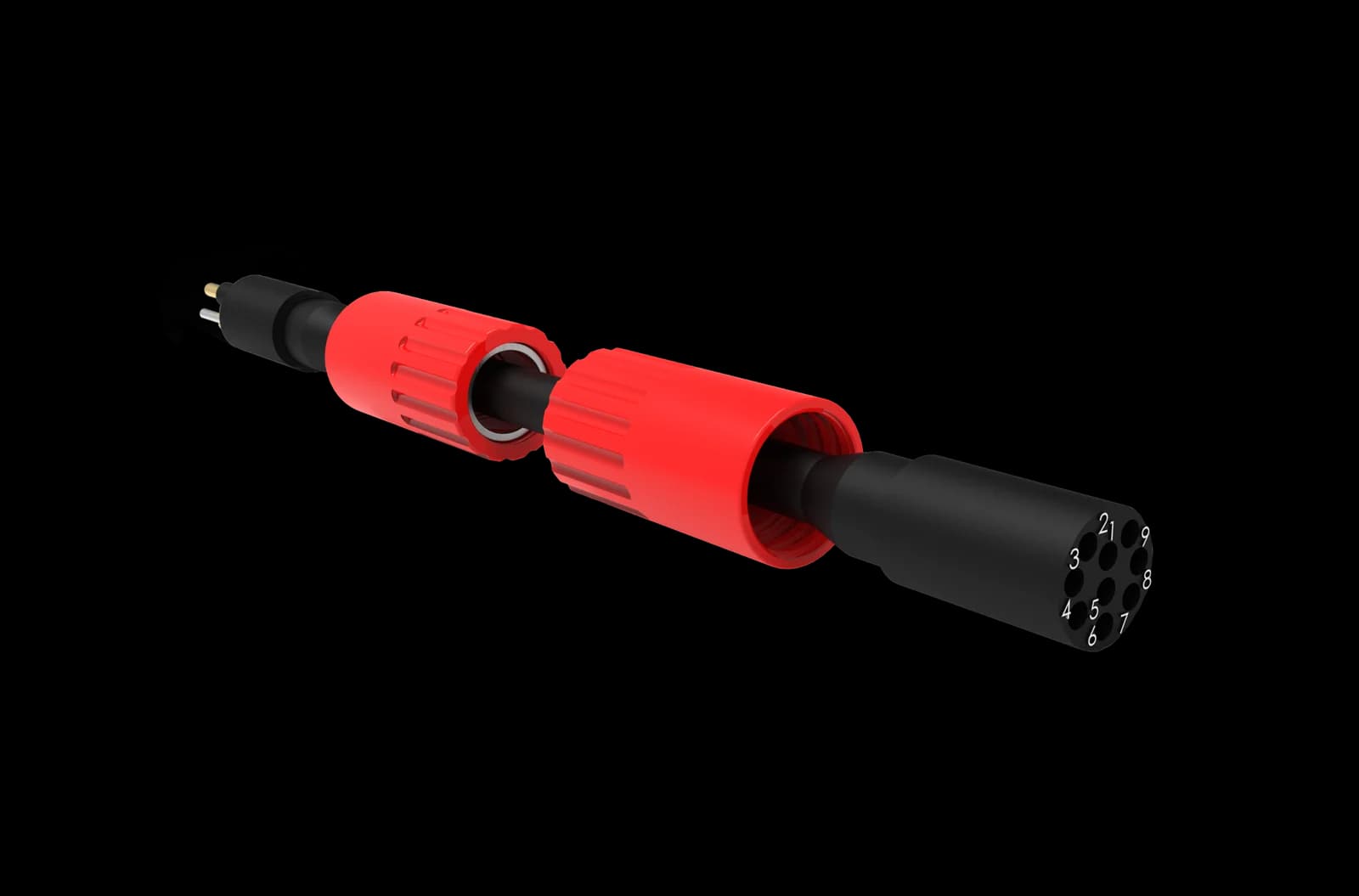
Micro Circular Cordset - Double End - 9 Pin Male to Female Extension Cable - MCIL9M-MCIL9F
6 configurations · Quote on request
View product ↗
Connect underwater equipment with double-ended cable assemblies. Review connector combinations, mating interfaces, cable lengths and application requirements.
6 configurations · Quote on request
View product ↗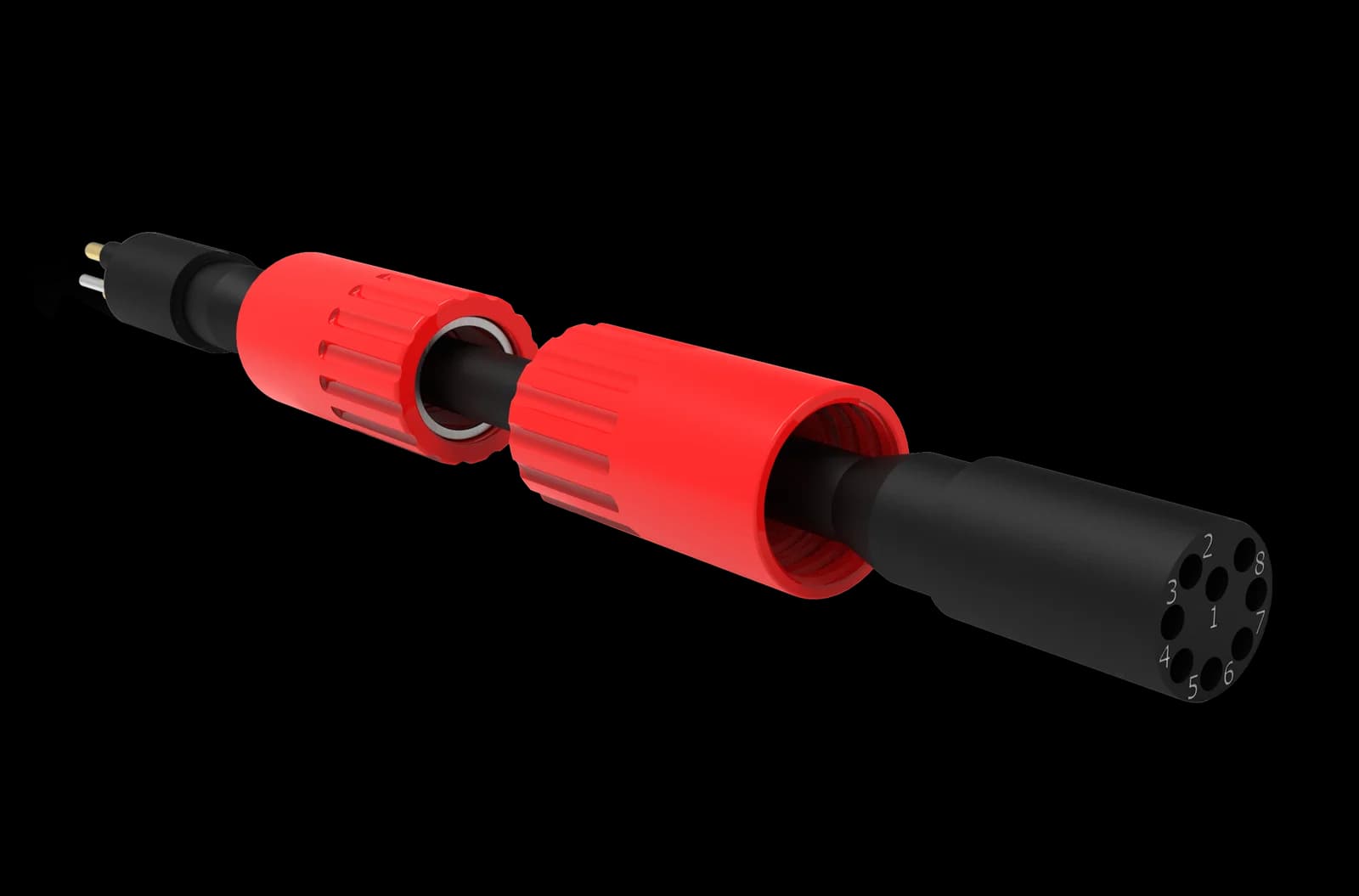
6 configurations · Quote on request
View product ↗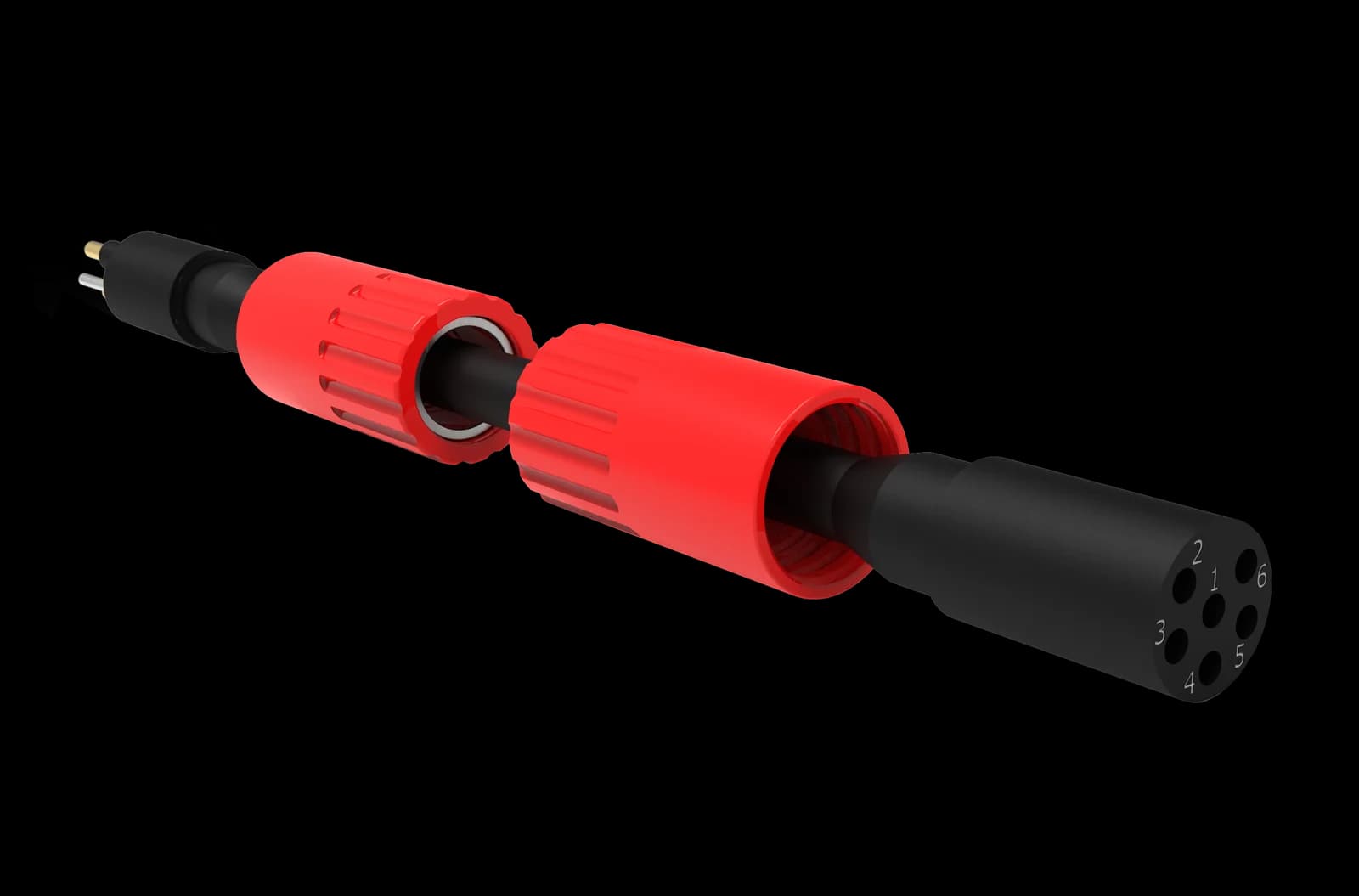
6 configurations · Quote on request
View product ↗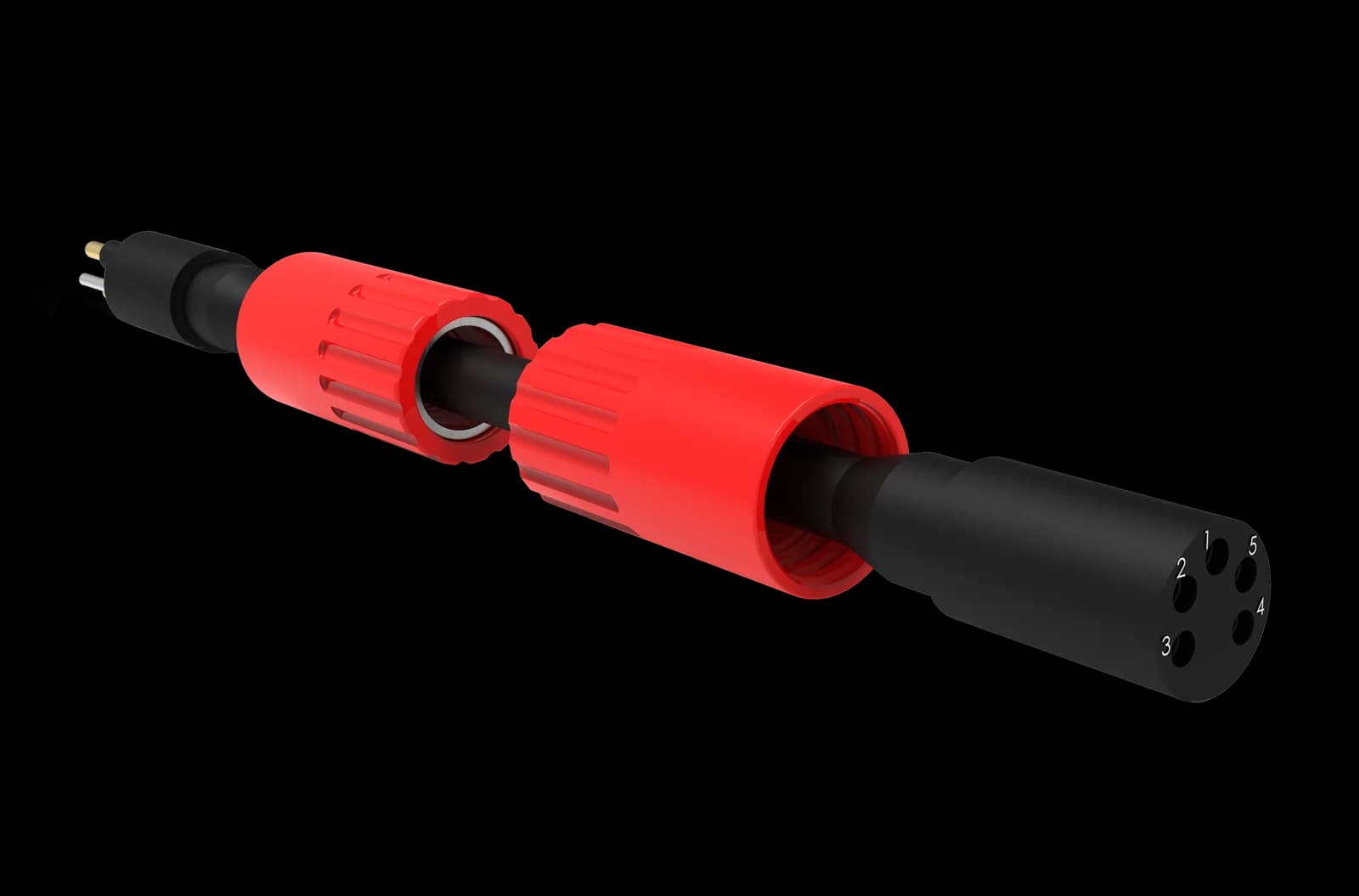
6 configurations · Quote on request
View product ↗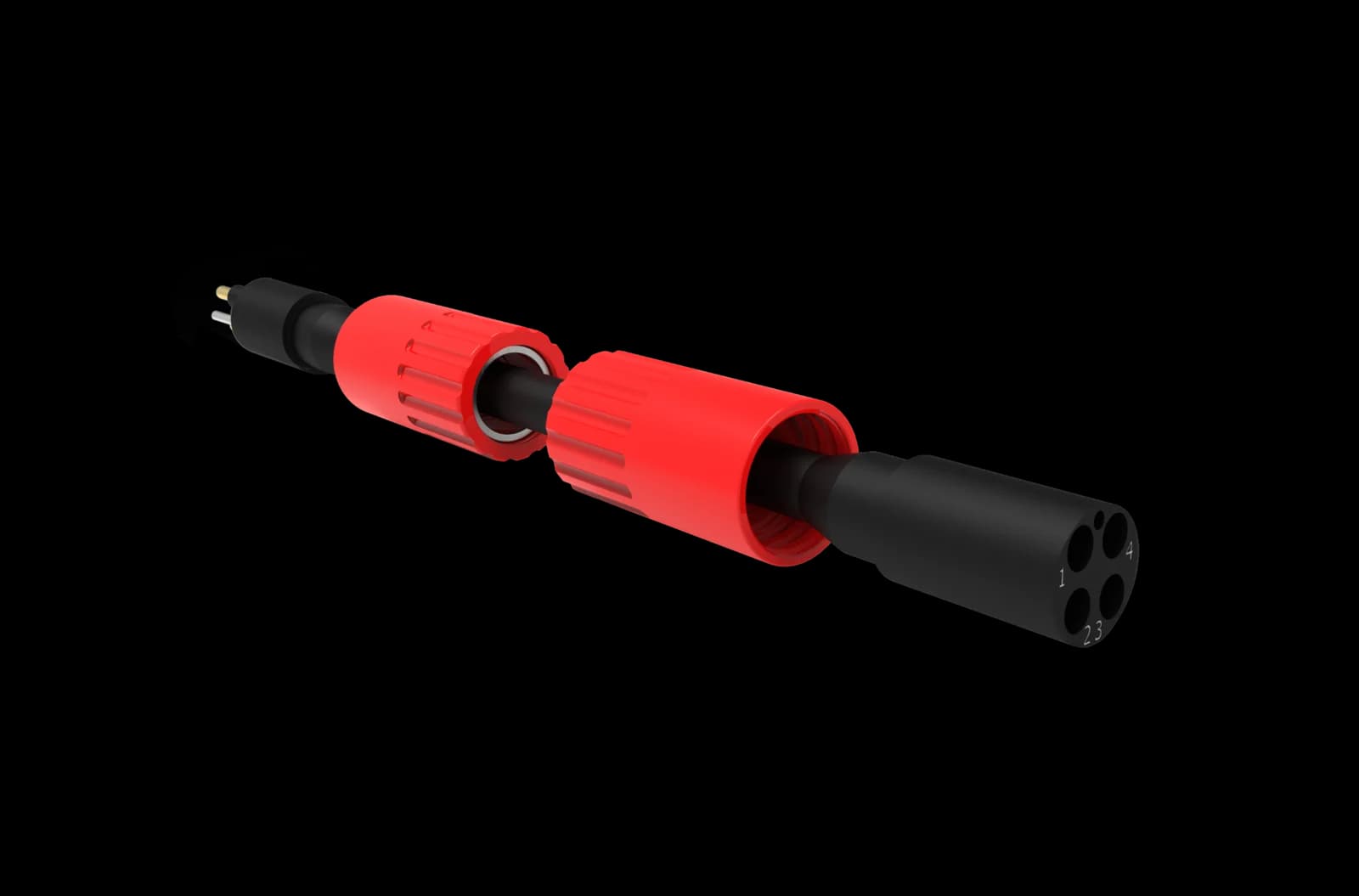
6 configurations · Quote on request
View product ↗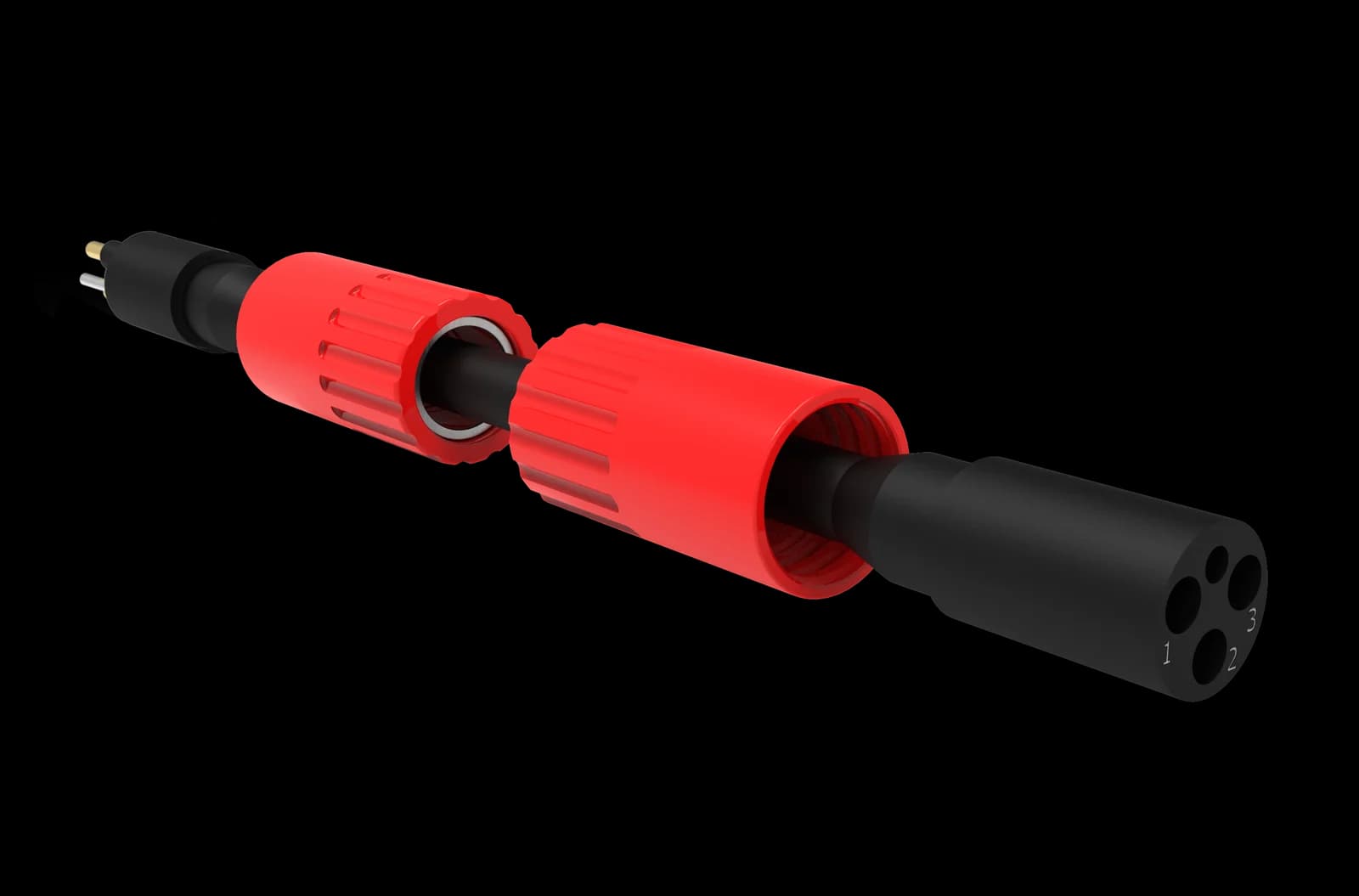
6 configurations · Quote on request
View product ↗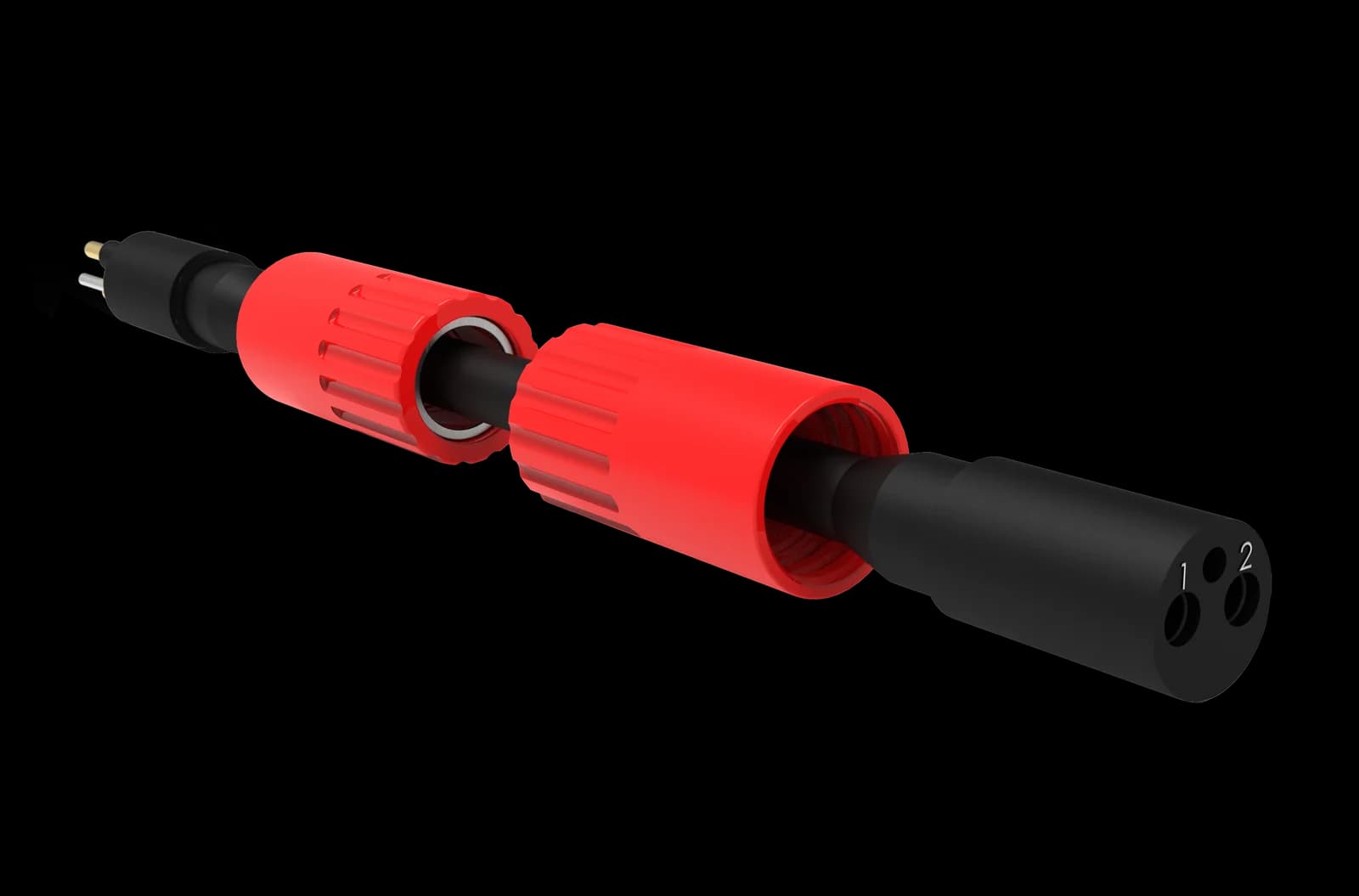
6 configurations · Quote on request
View product ↗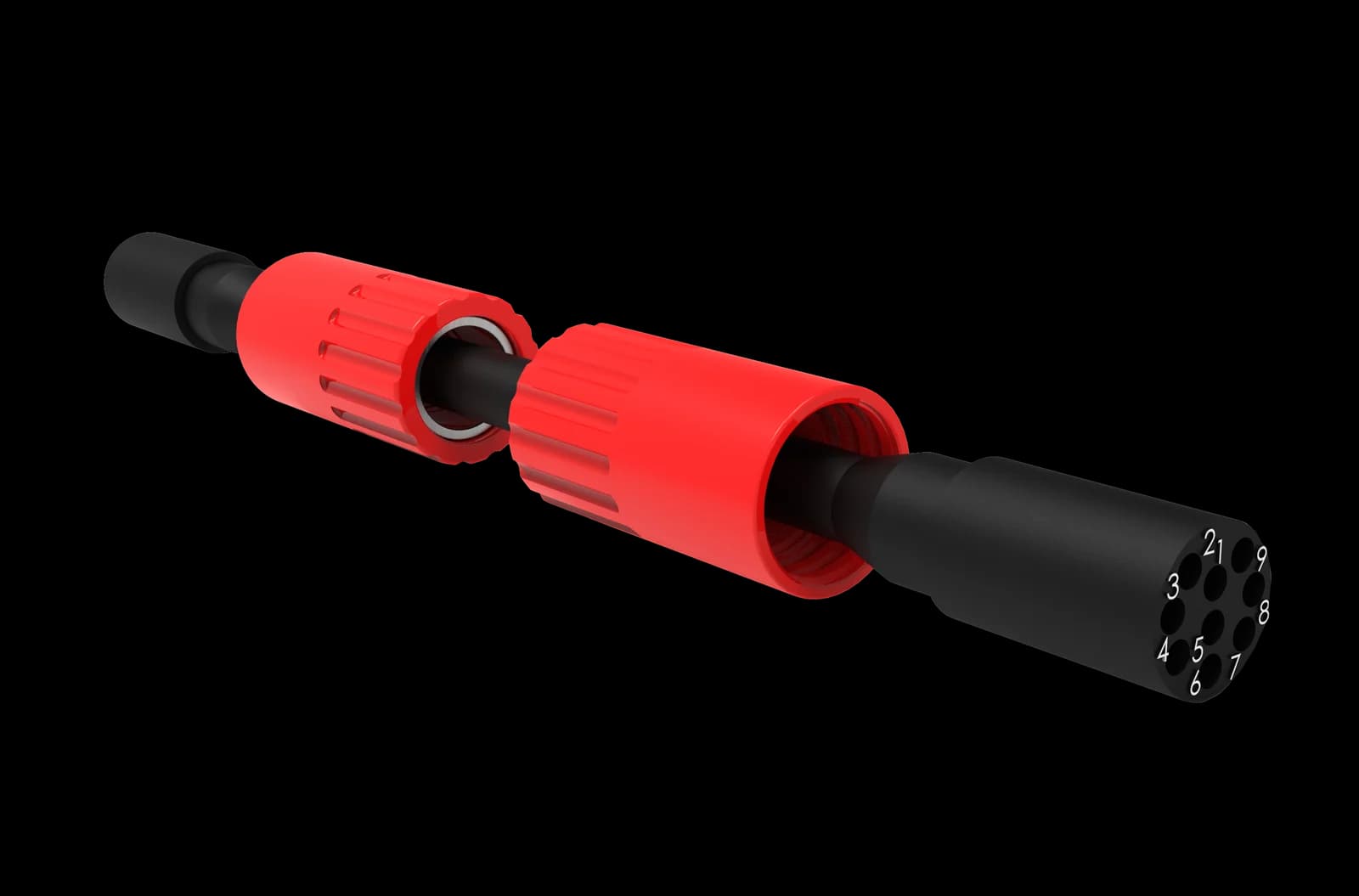
6 configurations · Quote on request
View product ↗
6 configurations · Quote on request
View product ↗
6 configurations · Quote on request
View product ↗
6 configurations · Quote on request
View product ↗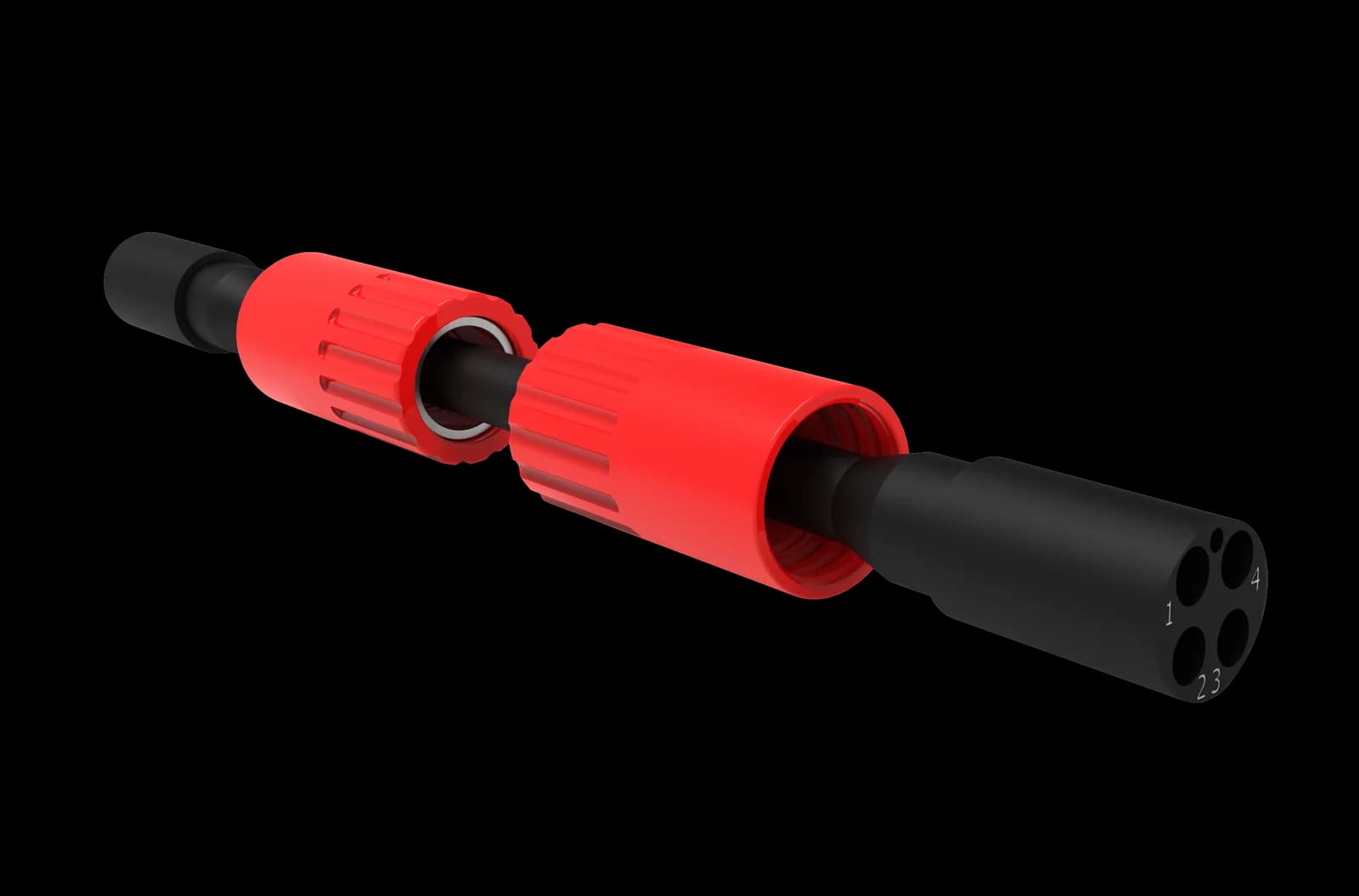
6 configurations · Quote on request
View product ↗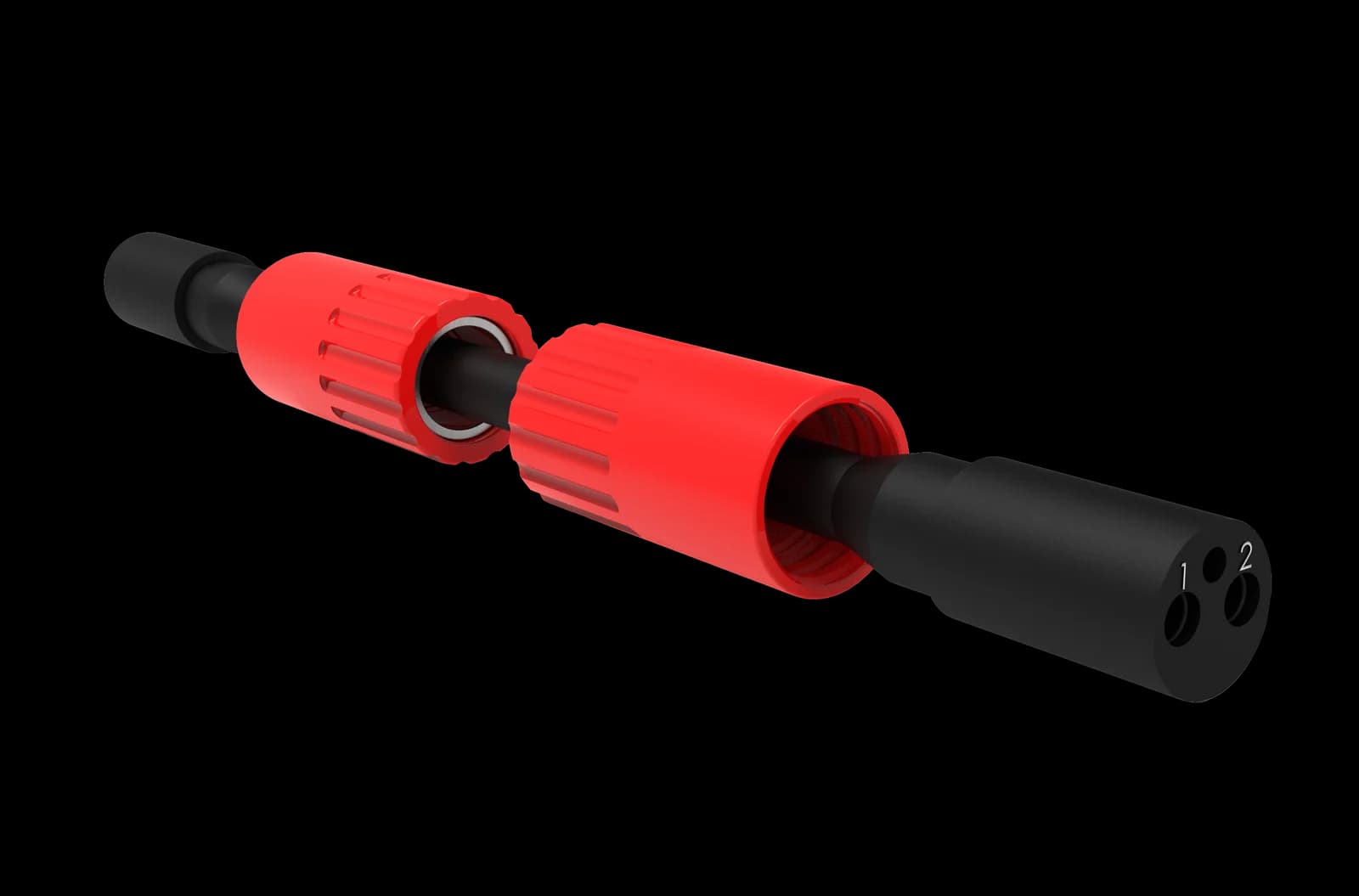
6 configurations · Quote on request
View product ↗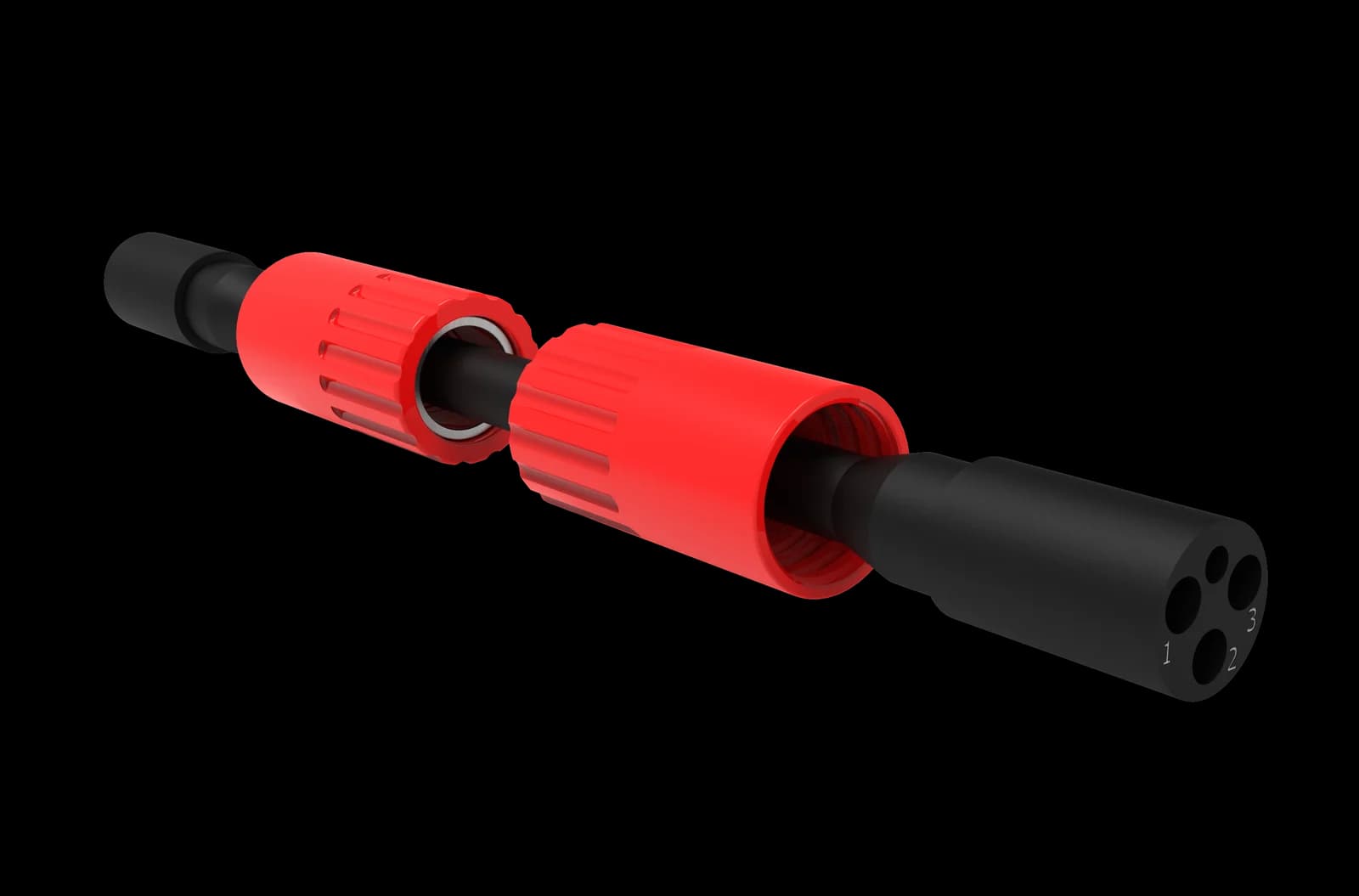
6 configurations · Quote on request
View product ↗A double-ended subsea cable assembly joins two defined equipment interfaces. Treat End A and End B as separate selections, even when the connectors look identical. The wiring, orientation and installed length determine whether the lead fits the system.
Discuss the two mating references as a custom assembly requirement. The electrical duty, cable construction, mechanical envelope and environmental limits must be reviewed together before a combination is confirmed.
Specify the whole connection: single-ended or double-ended subsea cable assemblies, proximity switch leads and custom harness requirements. Cable construction, connector interfaces, length, pin assignment and termination must suit the equipment and operating environment.